
I’d been wanting to keep these posts in chronological order, but this story is too good to wait on…. so let’s jump ahead a bit.
It’s always been a dream of mine to conquer the whole of Central America. But Honduras, much like El Salvador, was always one of those countries that seemed off limits to me. Well, except for the Honduran island of Roatan, but it’s hella expensive to get to and a journey and half in travel time. So, like El Salvador, it sat indefinitely on the back shelf of my bucket list. One of those places I’d love to explore, but didn’t think I’d ever get to.
But, now that we were in El Salvador, it was all that remained on my quest to complete Central America. The last country to check off and add to Belize, Guatemala, El Salvador, Nicaragua, Costa Rica, and Panama. And as we sat in Juayúa, planning the last half of this trip on the fly, it sat like the last piece of cake on the table that neither of us reached for, but both kept stealing glances at, wanting to snatch up.
… until finally we just said eff-it. Let’s do it. The plot had twisted and instead of east to the Gulf of Fonseca, we were now heading due north for la frontera El Poy – the Honduran border.
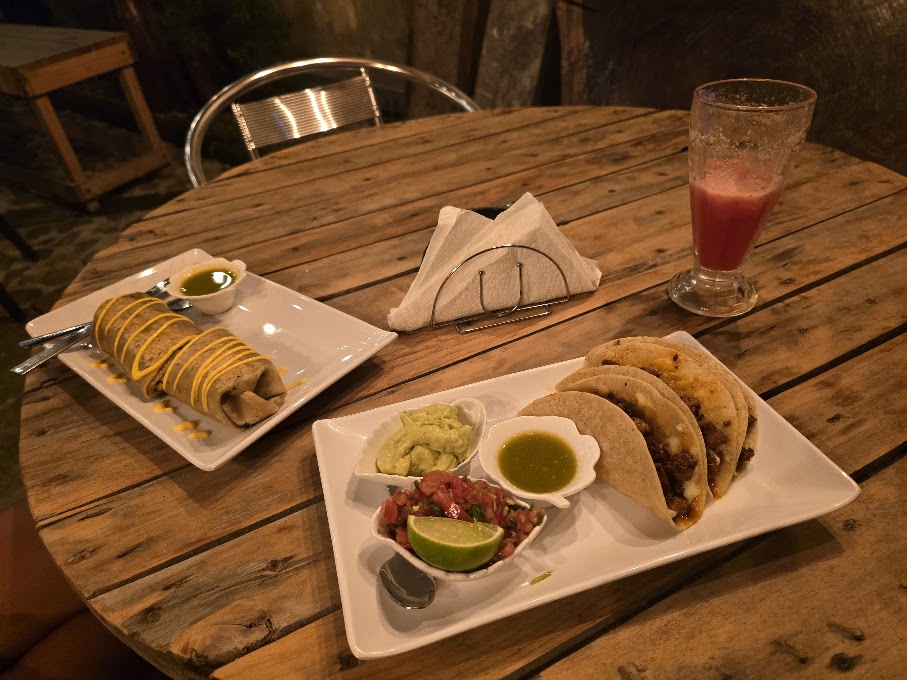
We used La Palma as our staging ground the night before. We did some recon work at Mochantli Bar – the cutest side of the highway restaurant owned by a friendly man who graced us with his presence and helped us with planning our trip onwards. The food was also incredible. Dare I say the best tacos and burrito of the trip.
We’d booked a last minute stay at Casa Campo Loma Larga just outside of La Palma, and began a terrifying journey in the dark of night, driving down bumpy back roads to the middle of nowhere… until we hit a dead end at the bottom of a rocky hill, right beside a dark house with a guard dog on duty who was raging with anger.
We quickly Austin-Powered a 19 point turn outta there and, via Whatsapp with the owners, found out that we shouldn’t have followed the directions on Google maps, but instead should have forged the river crossing outside of town instead. Our bad.
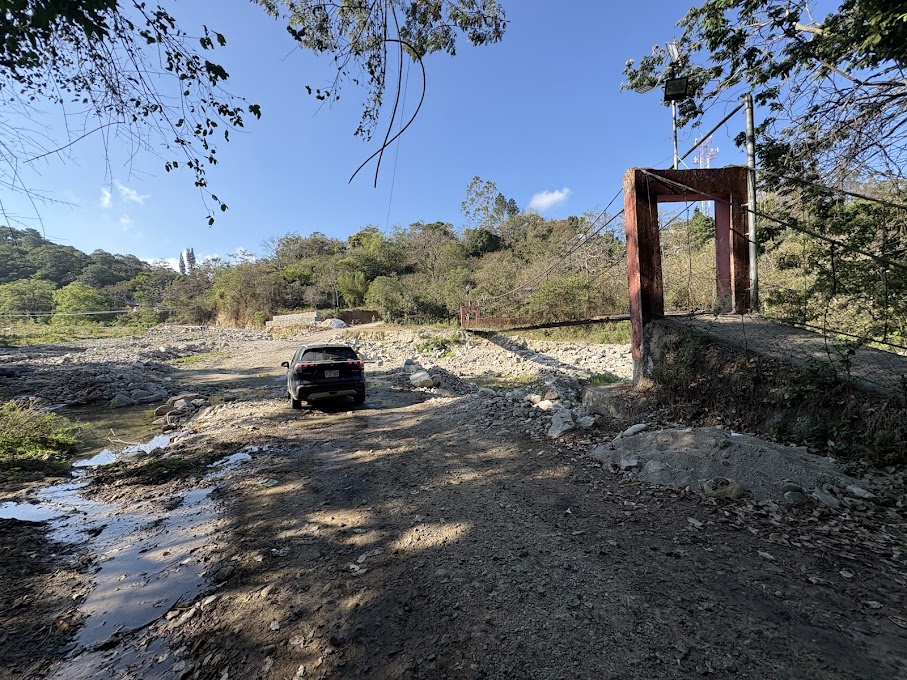
Funny though, the river crossing was very reminiscent, to both of us, of our journey to The Valley Hostel in Colombia.
Pro tip: When a hotel owner sends you a pin or a map, ALWAYS be sure to open it and follow their directions, not do it on your own.
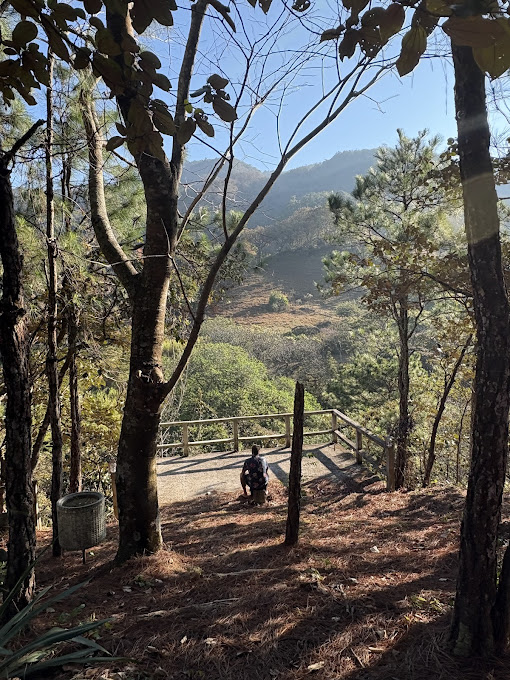
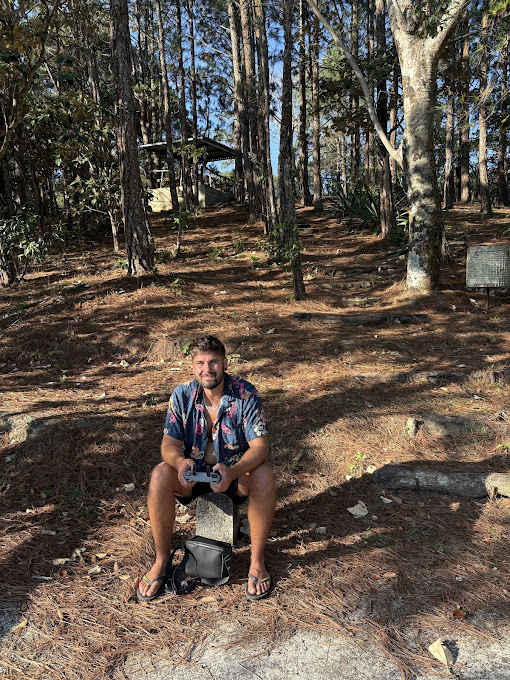
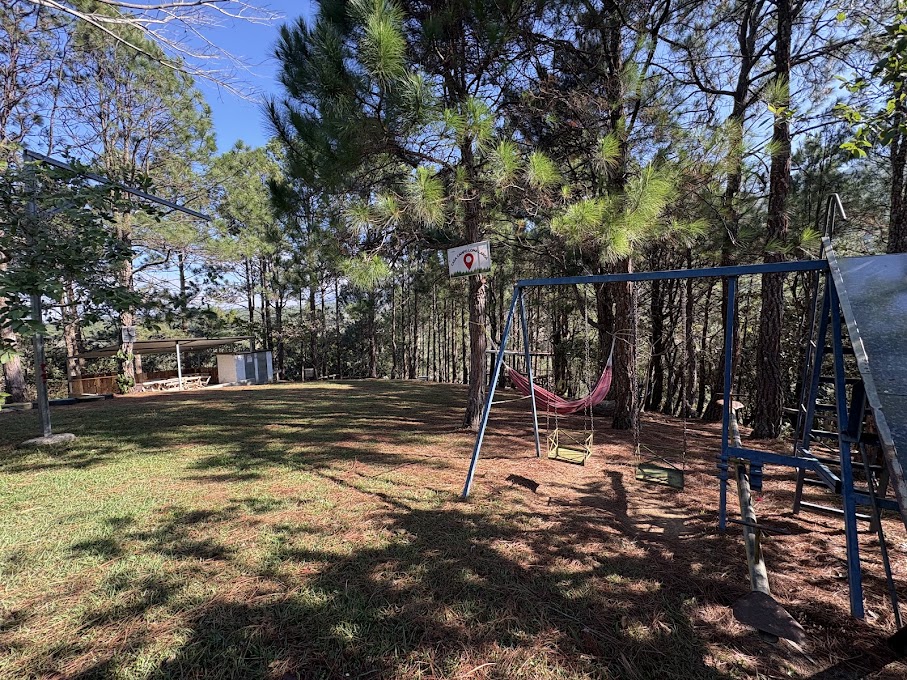
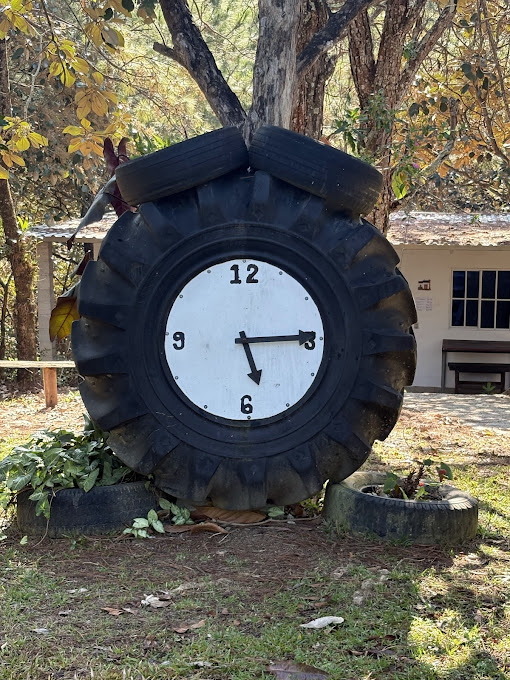
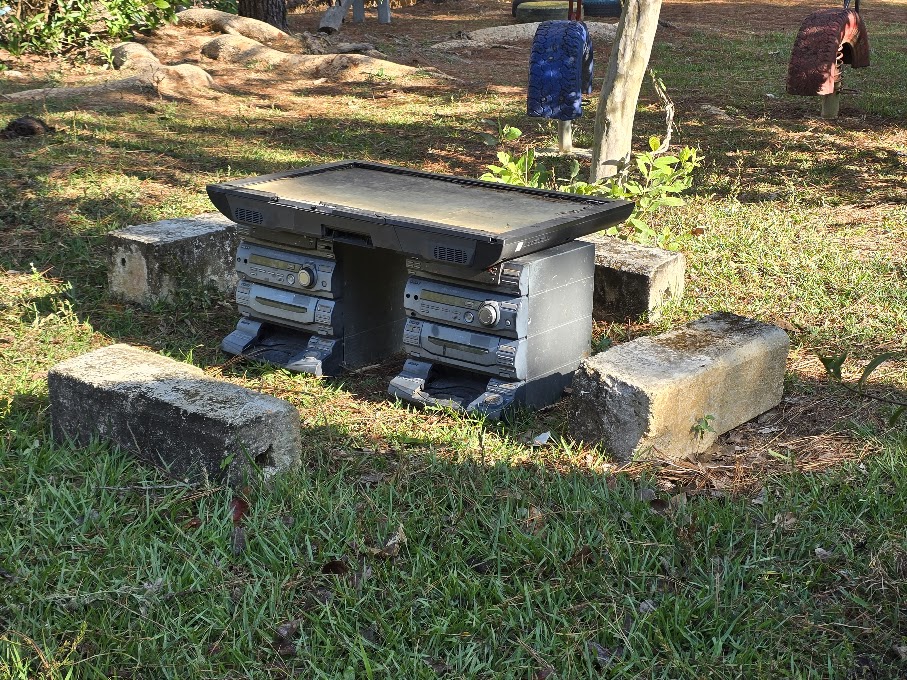
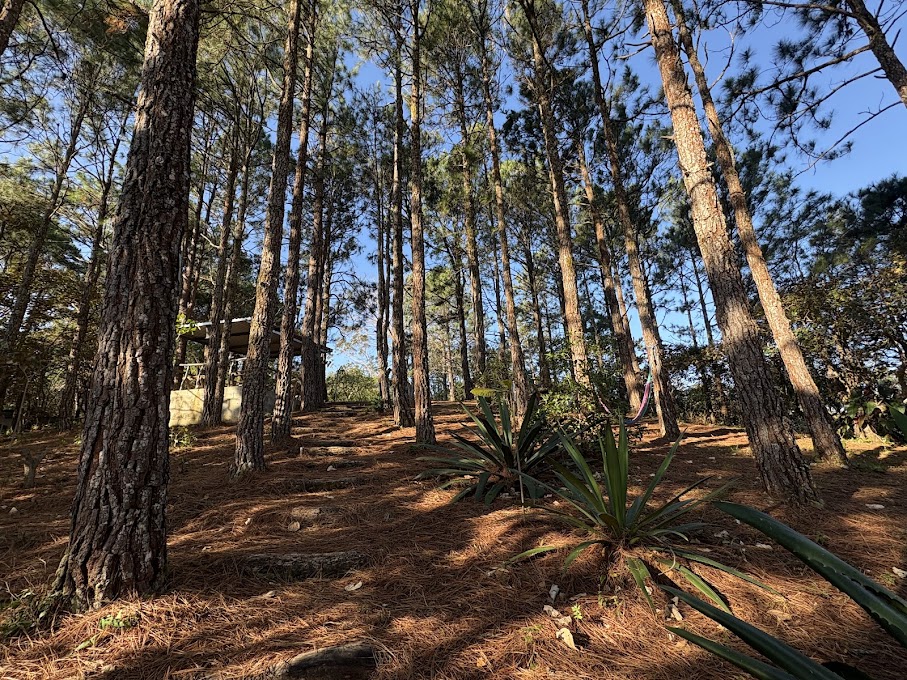
Once we finally arrived to the abandoned-looking village, slightly terrified that we were being led into the last remaining MS-13 stronghold, our heart rate slowed when we met Dennis – the son of the owners and just about the nicest high schooler you could imagine. He showed us to the most peaceful of places you could find in country. His family owns a large, beautiful plot of land that overlooks the mountains and valley below. Pine needles crunched underfoot and I was quick to pull on my jeans due to the crisp, mountain air. There were strategically hung lights that gave it a cozy, romantic glow, hammocks galore, and lots of space to pitch a tent should you desire.
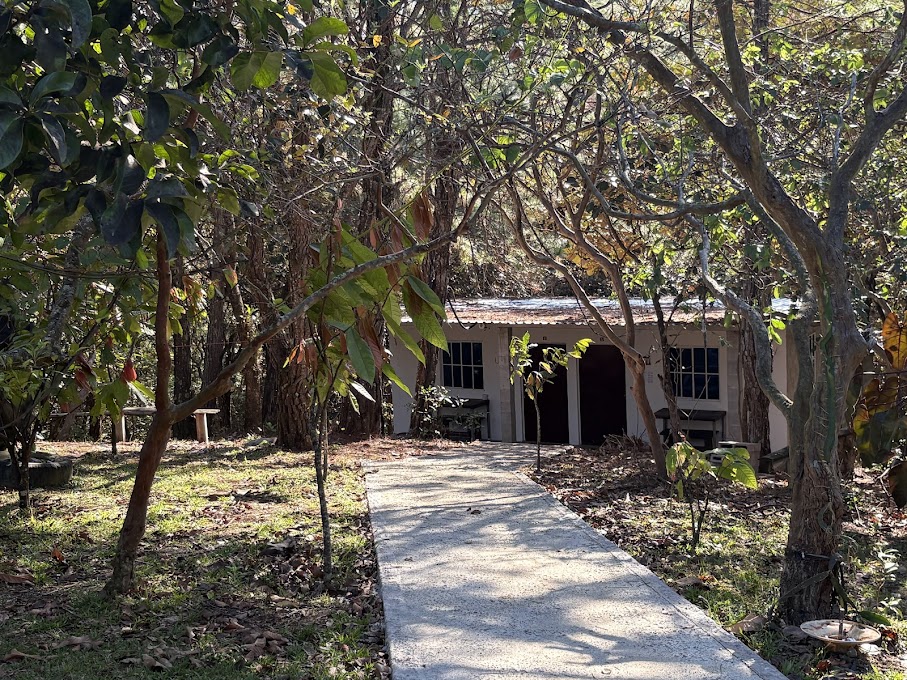
We were staying in a small white building consisting of 4 private rooms – with 2 double beds and a private bathroom in each room (no hot water, but that seems to be the norm unless you up a price range). The chirps and hum of insects quickly lulled us to sleep, awaking only after a full restful night to the beauty that the light revealed. Casa Campo Loma Larga is definitely a hidden natural gem in the mountains of La Palma. They’re still in the upscale development process, but dreaming big with this one. And for good reason. Put this place in your back pocket!
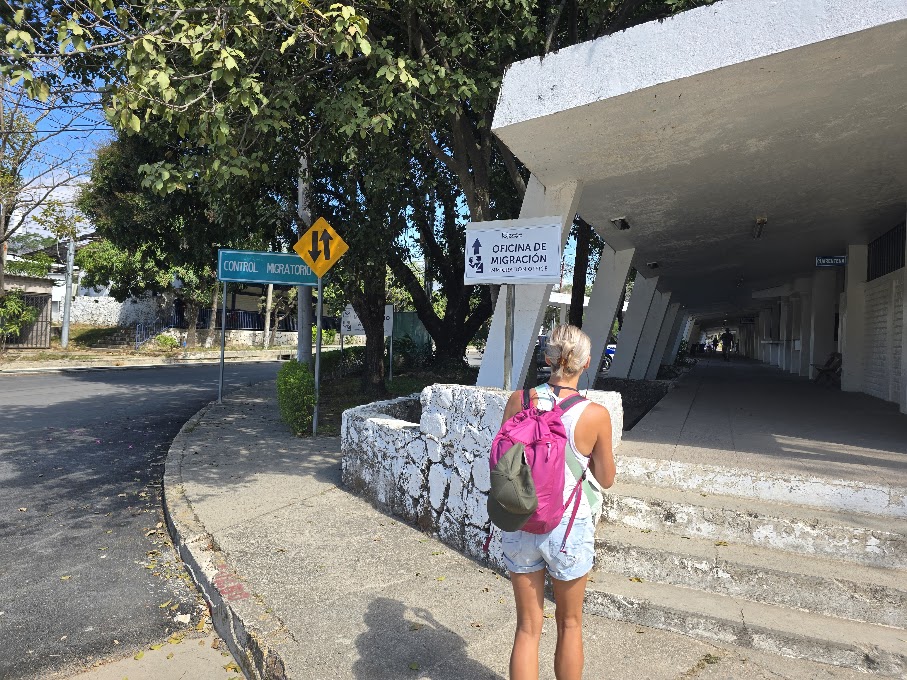
But back to Honduras. From our breakfast place in San Ignacio, 5 minutes down the road from La Palma, we were only 15 minutes from the border. We drove as close as we could to the sleepy border town that lay within eyeshot of the immigration office. We parked the car, easily changed a few USD to Honduran lempiras, and made the 3 minute walk with our day packs to the El Poy border control.
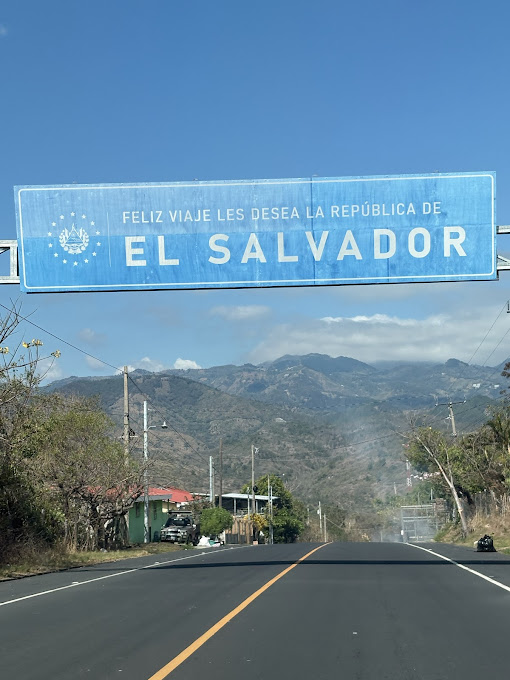
I’ll admit, the process seemed daunting. Mostly due to my stigma-filled fear of corruption and safety concerns (I should really stop listening to nonsense and building things up in my head). But from the few blogs I’d read in my recon work, it sounded like I was working myself up for nothing. (Nevertheless I still brought overnight essentials in my backpack should the unthinkable happen.)
But of course, it was all for not.
It was a breeze. A couple of questions, a piece of paper, and we were free to leave. Within 15 minutes we were out of El Salvador and into No Man’s Land. The dusty ground where no rules apply… so hurry up and get going.
We presented our papers to the Salvadoran border agent, then a few steps later were met by a woman on the side of the road who was grabbing our arms pointing a held-held machine at our wrists. “Oh shit,” we thought. “What did we just willingly walk into? Were my worst fears coming true? Were we about to be taken aside and interrogated? Kept in a Honduran prison cell indefinitely?”
Turns out she was from the Honduran department of health and was just trying to take our temperature. (You know, Covid and all.) Crisis averted.
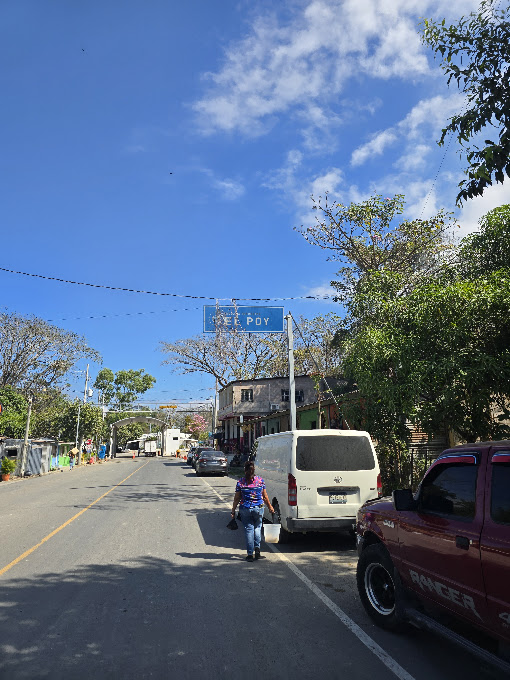
We kept walking and, perhaps due to regaining our senses after the wrist grab, accidentally and unknowingly passed the Honduran immigration office. Thank goodness for the hospitality of Hondurans or otherwise things may have ended differently. We were gently redirected to a small and unassuming white and blue building that lacked any real form of a sign (the letters above the door were falling off and nearly illegible). The process was again quick and painless. A few questions, a photo, a scan of our fingerprints, a $3 USD entry free, and then that sweet, sweet sound of a new passport stamp.
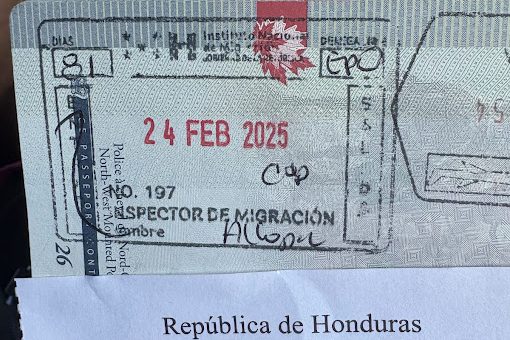
It was official! My 46th country and I have now officially been to every country in Central America!
We turned around and walked a short way down the dusty, gravel road. On the right stood a little taxi stand and for 100 limperas ($4 USD) we set off in an old, white, seatbelt-less car for the town of Ocotepeque. We’d originally planned to go go-karting at a little place just a few minutes from the border, but unfortunately it was closed on Mondays. But from a serendipitous conversation with Dennis the night before, we decided to go in search of baleadas (a traditional Honduran dish) for second breakfast instead .
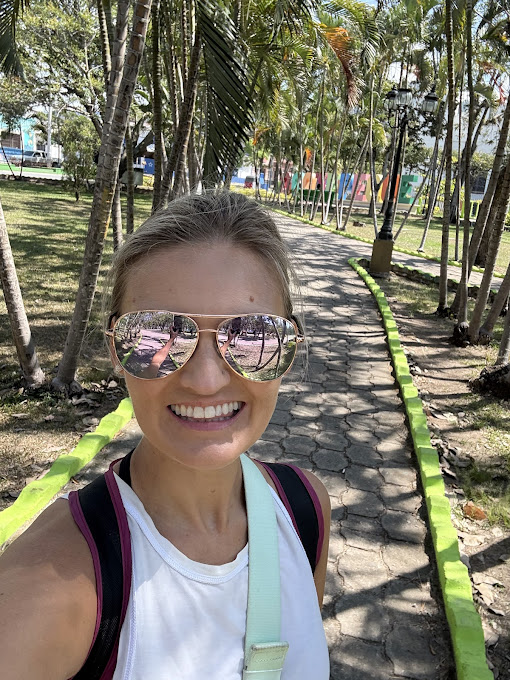
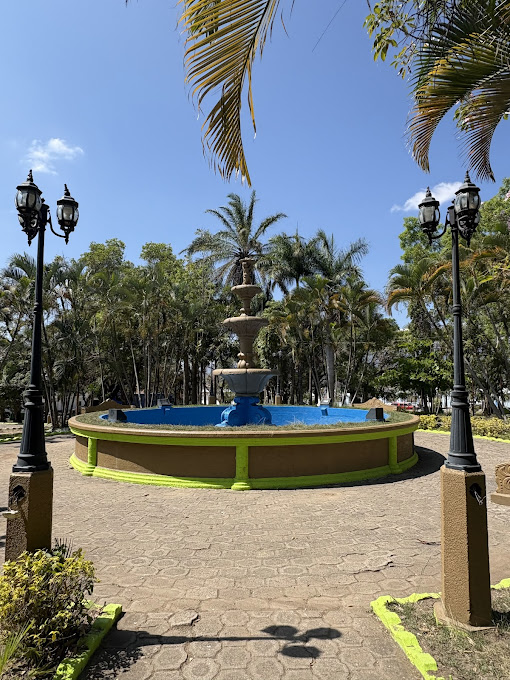
Our taxi driver dropped us off at the central park in the middle of town, and then we were on our own. We wandered around the parque central, a small green space with walking paths lined by palm trees, a water fountain (that currently lacked water), and an extensive children’s playground. Next up was a nearby fruit market for a papaya licuado and checking out the various local fruits.
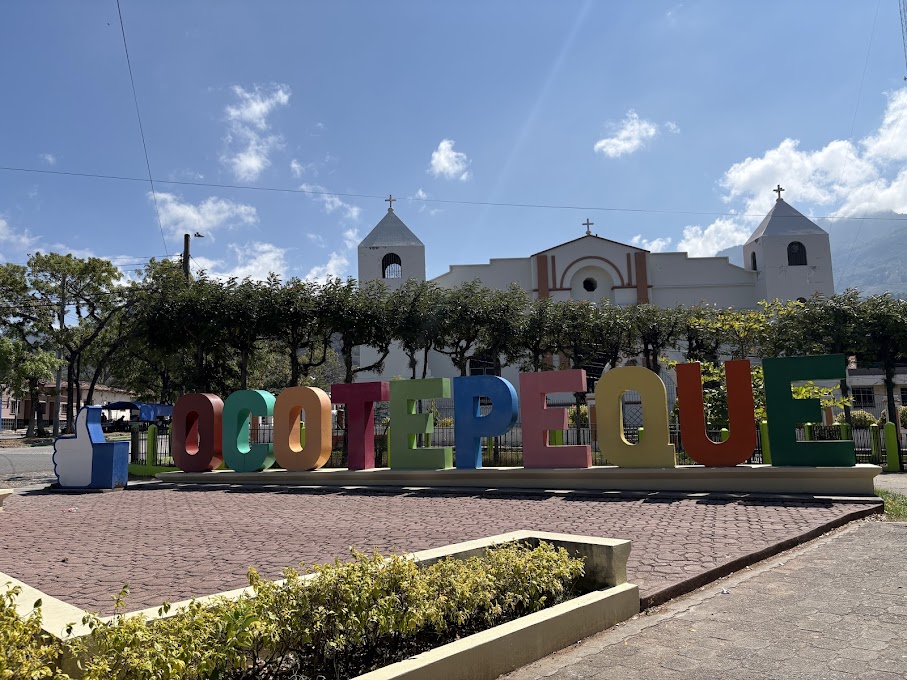

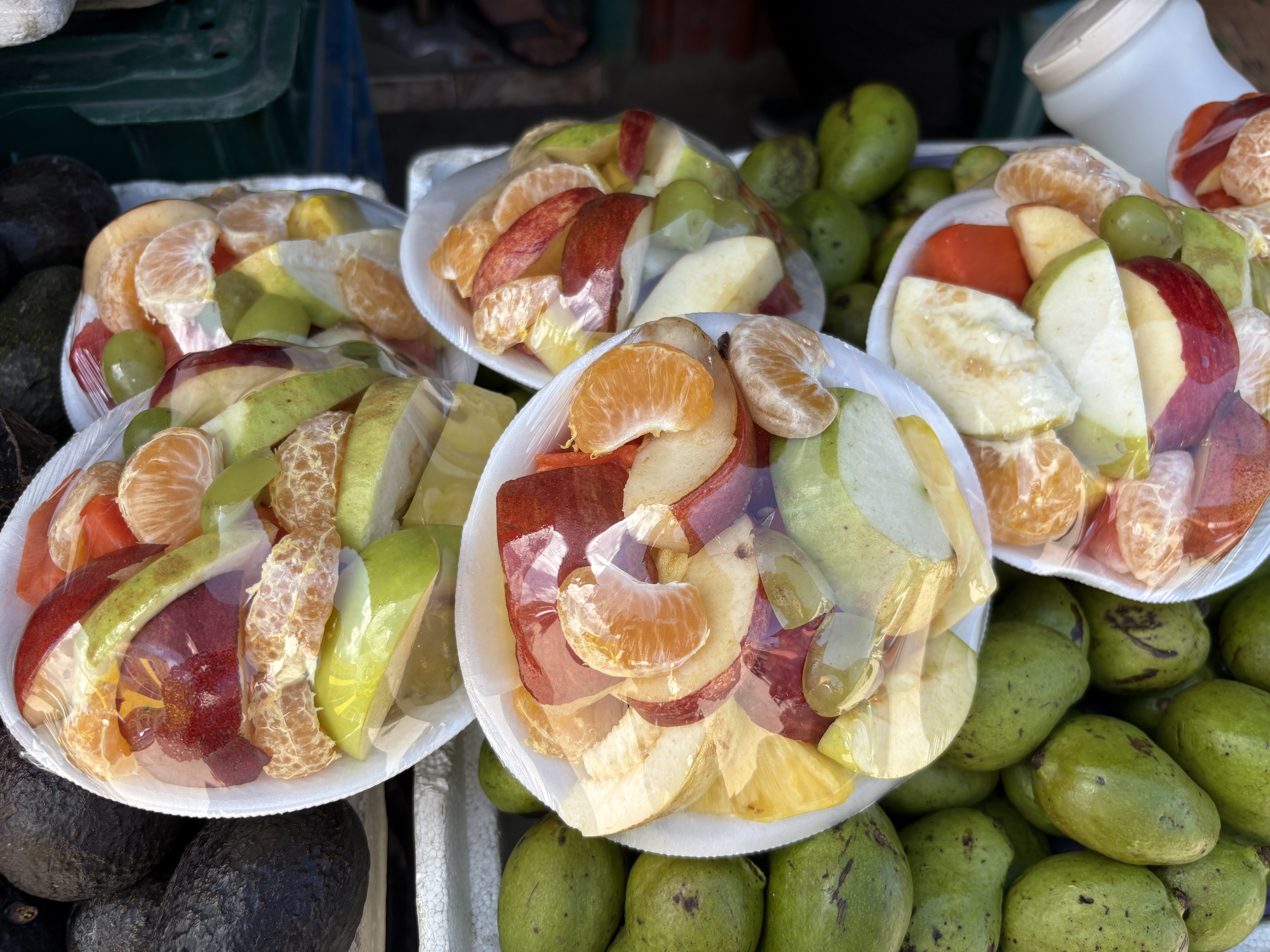
Still in search of baleadas, we continued our walk around town until we found “Irmelda’s” – a deserted corner restaurant near a big construction site. It was a large, two-level building with plastic booths around the edge and plenty of tables in the middle. But a part from one elderly gentleman eating his meal while reading the paper, we were the only other ones in the restaurant. Normally it’s advisable to visit busy places and not eat somewhere few people are frequenting, but what the hell.
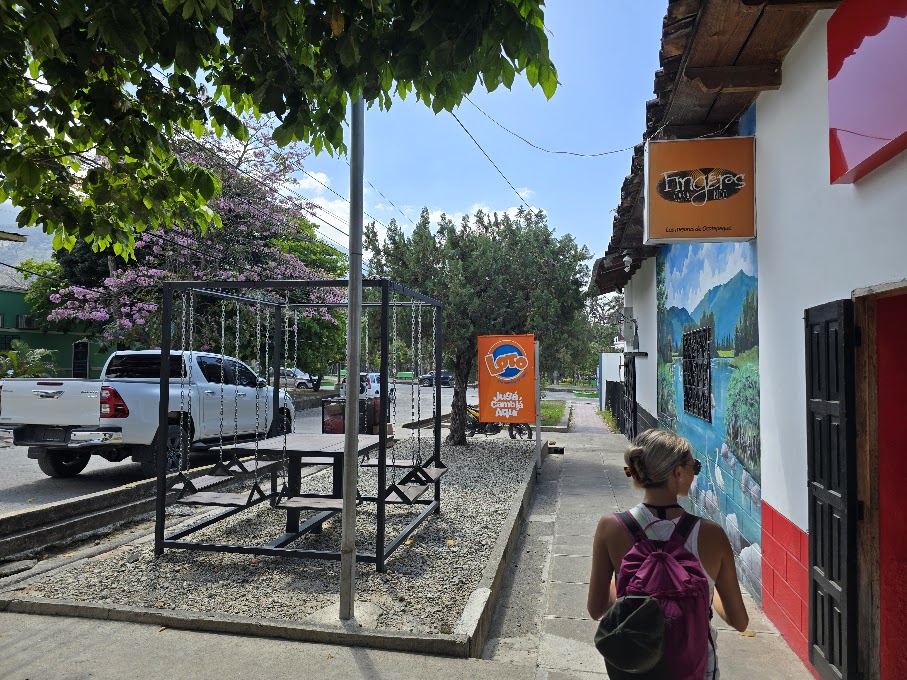
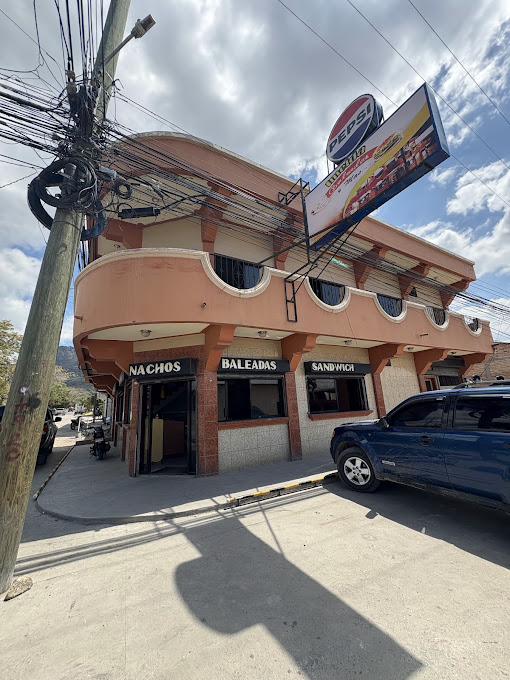
We ordered the server’s recommended selection and sat in wait until we were served a piping hot baleada, wrapped in plastic. We carefully unwrapped the neat little package and dug in. I will say, they were delicious – a simple, thin flour tortilla, folded over the mixings like an omelette (we had egg, bean, cream, avocado, and ham – but there are many options). Not as good as a pupusa (in my opinion, though A disagrees), but still delicious.
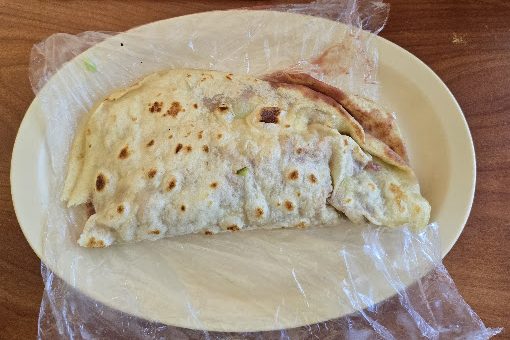
After indulging in our second breakfast, it was time to get back on the road again. We had a reservation in Suchitoto that afternoon and were keen to keep moving. So, a couple hours after our arrival in Honduras, we made our way back to the border – via a tuk tuk and a taxi colectivo (a shared taxi service that takes you on the milk run).
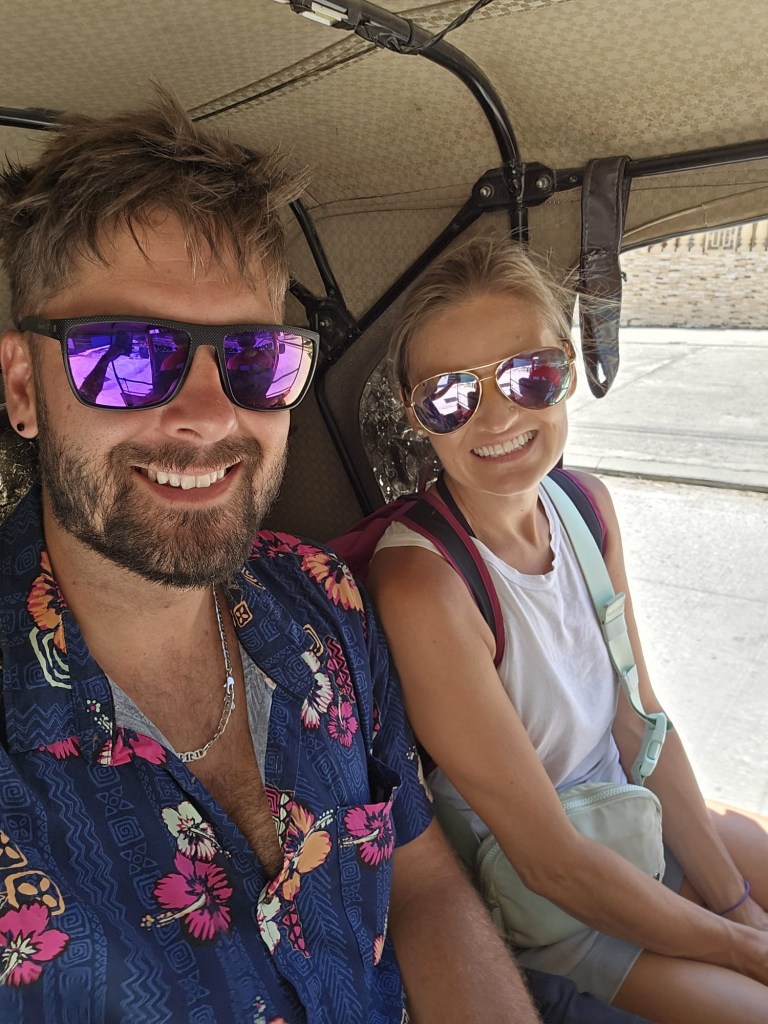
Again, crossing back to El Salvador was as simple as a pupusa. A few questions (“yes sir, that’s correct. We only came here for desayuno”), some fingerprints, and a photo ensued, and within 15 minutes we were back in El Salvador. No payments were required either upon our return, since had already paid the required $12 USD tourist card fee upon our initial arrival in San Salvador. (El Salvador doesn’t require a visa for Canadians, but does require that you purchase a tourist card on arrival, which then allows for seamless thoroughfare for up to 180 days.)
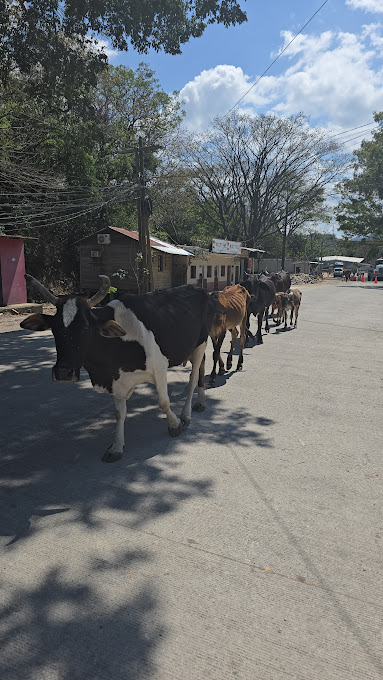
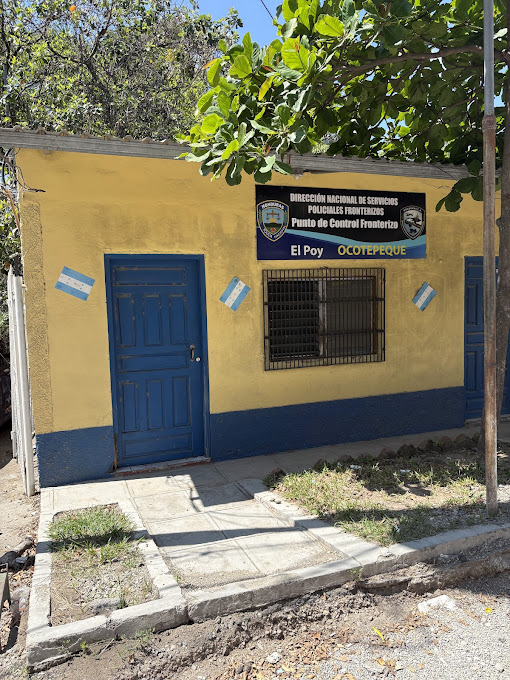
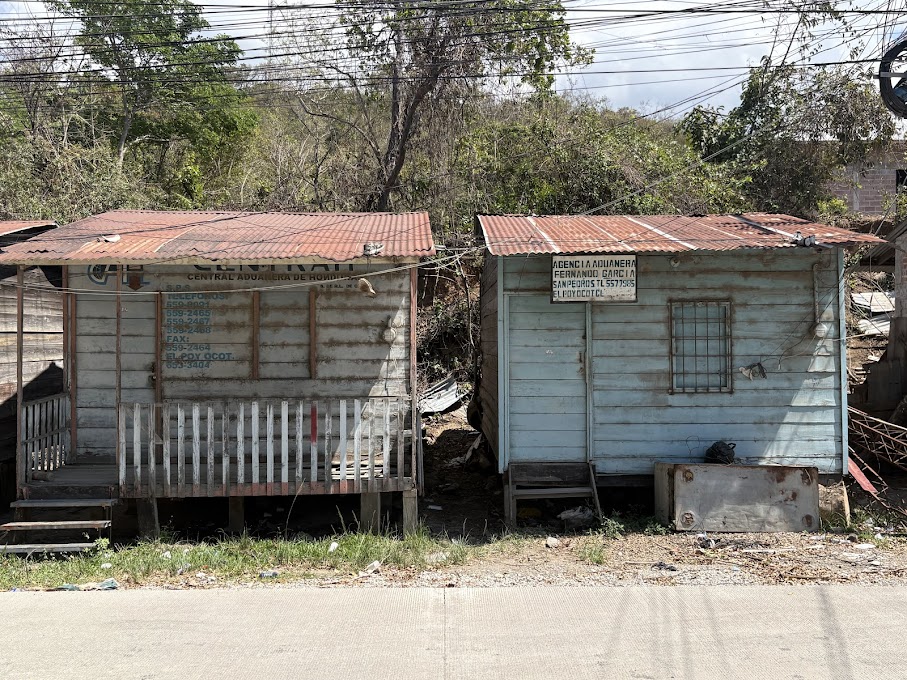
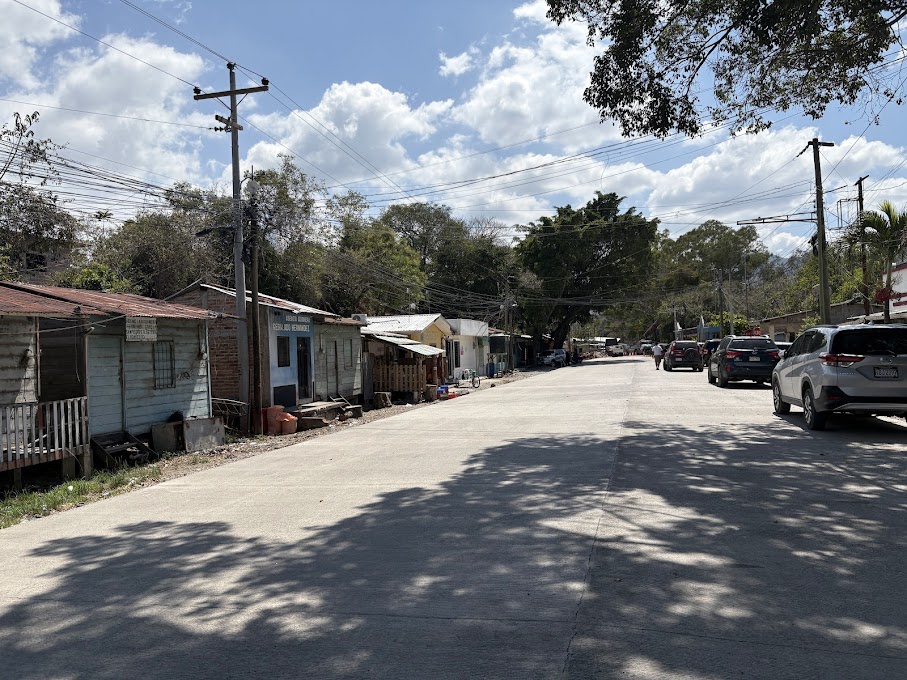
(A few shots from the Honduran side of the border… vastly different from the Salvadoran side.)
We made the return walk down to the road from El Poy and found our trusty rental car waiting for us, unharmed, and ready for its next adventure. So, we’re now back on the road, after a detour to Honduras (which was nowhere near as terrifying as I built it up in my head to be), and ready to return to our regularly scheduled programming!
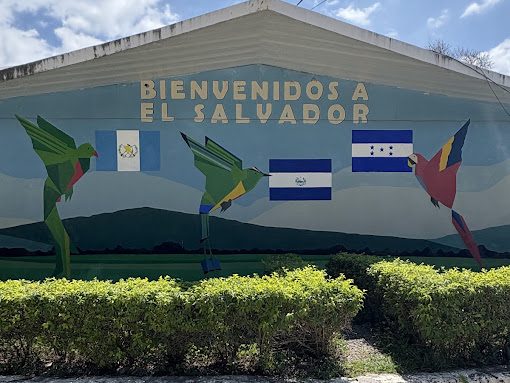
Bien viaje!


Leave a Reply